
Prednisone for sprained ankle: uses, risks, and alternatives
Table of Contents
- Quick Overview: prednisone for sprained ankle
- How prednisone works on inflammation
- Evidence and clinical use for ankle sprains
- When prednisone might be considered
- Prednisone vs NSAIDs: comparison
- Typical dosing approaches and safety caveats
- Benefits and realistic expectations
- Risks, side effects, and precautions
- Alternatives and rehabilitation strategies
- Patient FAQs about prednisone for sprained ankles
Quick Overview: prednisone for sprained ankle
Those who need more details about prednisone-based therapy may open buy deltasone without prescription for product information, precautions, and helpful ordering guidance.
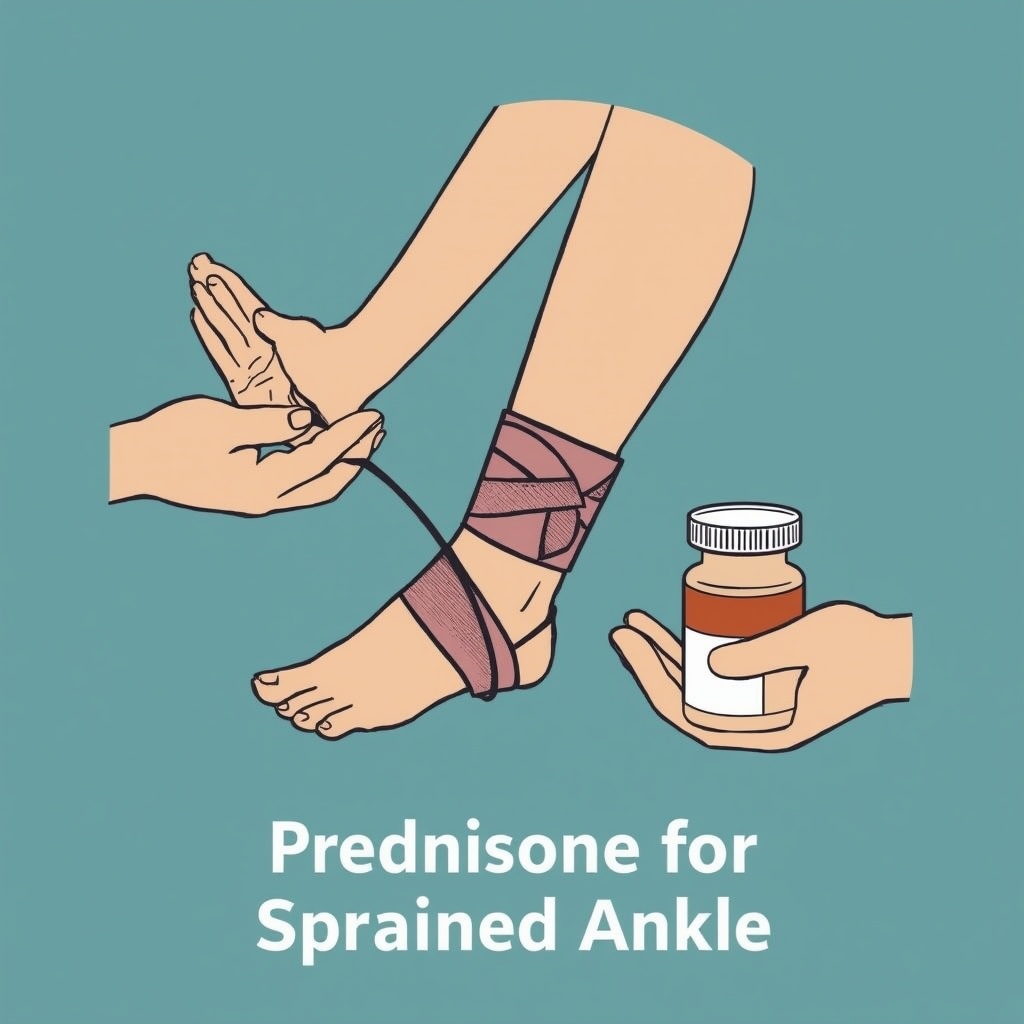
Prednisone for sprained ankle is a topic that generates confusion. A sprain involves stretched or torn ligaments, swelling, and pain. Prednisone is an oral corticosteroid that strongly suppresses inflammation and immune responses. While prednisone can reduce swelling and discomfort faster than some other measures, it's not the routine first-line treatment for most ankle sprains. This section gives a concise sense of what prednisone does, why clinicians might consider it, and why alternatives are often preferred.
How prednisone works on inflammation
Prednisone mimics cortisol, a natural steroid hormone, and reduces inflammation by blocking multiple inflammatory pathways. It decreases capillary permeability, inhibits white blood cell activity, and lowers cytokine production—the chemical messengers that drive swelling, heat, and pain. For acute injuries like sprains, this mechanism can quickly blunt swelling and improve mobility, but it also suppresses normal tissue-repair signaling and can mask symptoms that guide rehab decisions.
Evidence and clinical use for ankle sprains
Clinical research on prednisone specifically for simple ankle sprains is limited. Most randomized trials and guidelines emphasize RICE (rest, ice, compression, elevation), NSAIDs, immobilization when needed, and progressive rehabilitation. Some studies and clinical experiences show short courses of systemic corticosteroids may reduce pain and swelling faster in severe sprains or when NSAIDs are contraindicated, but evidence for improved long-term function is mixed. In short: prednisone can offer symptomatic relief in selected cases, but it’s not universally proven to speed full recovery.
When prednisone might be considered
Prednisone for sprained ankle may be considered when:
- Swelling and pain are severe enough to limit basic mobility despite RICE and NSAIDs.
- NSAIDs cannot be used due to allergy, bleeding risk, kidney disease, or gastrointestinal issues.
- There is a clinician judgment that rapid reduction of inflammation will allow essential mobility or prevent complications in a specific context (e.g., athletes with short recovery windows under medical supervision).
- Other treatments such as localized steroid injection are not appropriate or available.
It’s important to emphasize that these are situational indications and require individualized medical evaluation.
Prednisone vs NSAIDs: comparison
NSAIDs (ibuprofen, naproxen) and prednisone both reduce inflammation but by different mechanisms and with different risk profiles. NSAIDs are commonly recommended as first-line anti-inflammatory treatment for sprains because they are effective, widely available, and generally safe for short-term use in healthy adults. Prednisone is more potent but carries greater systemic risks, especially with longer courses.
| Feature | Prednisone | NSAIDs |
|---|---|---|
| Onset of anti-inflammatory effect | Fast (within hours to a day) | Moderate (a few hours) |
| Typical use in sprain | Selected cases; not routine | Common first-line |
| Major risks | Immunosuppression, hyperglycemia, mood changes | GI bleeding, renal strain, cardiovascular risk |
| Impact on long-term healing | Unclear; may mask symptoms | Generally safe short-term; potential effect on tendon healing debated |
Typical dosing approaches and safety caveats
There is no single standardized prednisone dose specifically approved for a sprained ankle. In practice, clinicians who use systemic steroids for acute musculoskeletal inflammation often prescribe short courses to limit side effects. Common approaches include short bursts of moderate doses rather than long tapers:
- Short burst: Prednisone 20–40 mg daily for 3–7 days, then stop.
- Short taper for those on higher doses or who require multi-day therapy: start 40–60 mg daily then reduce over 5–10 days.
Important cautions:
- Discuss medical history: diabetes, infections, mental health, and current medications can change the risk–benefit balance.
- Avoid long-term prednisone for sprain; systemic steroids should be as short and low-dose as clinically effective.
- Always consult a clinician before starting prednisone; do not self-prescribe.
Benefits and realistic expectations
When used appropriately, prednisone can provide:
- Rapid reduction in visible swelling and joint stiffness.
- Short-term pain relief that may allow more effective early physiotherapy.
- An alternative anti-inflammatory option when NSAIDs are unsuitable.
Realistically, prednisone is most useful for improving symptoms quickly rather than guaranteeing faster full ligament healing. Expect symptom relief within 24–72 hours in responsive patients, but plan a rehabilitation program to restore strength, balance, and full function.
Risks, side effects, and precautions
Prednisone has well-known side effects. For short courses (under a week), many side effects are mild or transient, but some can still occur. The longer and higher the dose, the greater the risk. Common and important side effects include:
- Increased blood sugar; caution in diabetes.
- Mood changes, insomnia, or irritability.
- Increased susceptibility to infection and delayed wound healing.
- Gastric irritation; risk higher if combined with NSAIDs.
Less common but serious risks with repeated or prolonged use include adrenal suppression, osteoporosis, and muscle weakness. If you are pregnant, breastfeeding, or have active infection, osteoporosis, or uncontrolled diabetes, prednisone may carry added risk and requires careful medical oversight.
Alternatives and rehabilitation strategies
Rather than relying on systemic steroids, many patients recover well with combination approaches that target swelling and support healing:
- RICE initially: rest, ice (short durations), compression, and elevation.
- NSAIDs for pain and inflammation if medically appropriate.
- Support: ankle brace or functional taping during early weight-bearing.
- Progressive physical therapy focusing on range of motion, strengthening, proprioception, and return-to-activity planning.
| Approach | When to use | Pros |
|---|---|---|
| RICE + NSAIDs | Most mild-to-moderate sprains | Safe, accessible, effective for many |
| Functional bracing + PT | Recovery phase and prevention of re-injury | Improves long-term stability, low risk |
| Short prednisone course | Severe swelling when NSAIDs unsuitable or ineffective | Rapid anti-inflammatory effect |
Patient FAQs about prednisone for sprained ankles
Here are common questions patients ask when prednisone for sprained ankle is considered:
Q: Will prednisone make my sprain heal faster?
A: Prednisone can reduce swelling and pain quickly, but evidence that it speeds ligament repair or long-term recovery is limited. Relief may help you engage in rehab earlier, which can indirectly support better outcomes.
Q: Is prednisone safer than NSAIDs?
A: Not necessarily. Prednisone and NSAIDs have different risk profiles. NSAIDs are first-line for most people; prednisone is reserved for specific situations where steroids’ stronger anti-inflammatory action is needed or NSAIDs are contraindicated.
Q: Can I take prednisone and an NSAID together?
A: Combining increases risks like gastric irritation and should be done only under medical advice, often with protective measures (e.g., gastric mucosa protectants) when necessary.
Q: What should I watch for after starting prednisone?
A: Monitor for sudden blood sugar changes if diabetic, mood swings, infection signs, or unusual symptoms. If severe side effects occur, stop and consult your clinician promptly.
Final notes and practical checklist
Deciding about prednisone for sprained ankle requires weighing rapid symptomatic relief against potential side effects and the availability of safer alternatives. Use this practical checklist when discussing options with a clinician:
- Confirm severity of sprain and need for imaging if indicated (x-ray or MRI).
- Review medical history: diabetes, infections, ulcers, mental health, pregnancy.
- Try first-line measures (RICE, bracing, NSAIDs) when safe and effective.
- If prednisone is considered, aim for the shortest effective course under supervision.
- Plan a structured rehabilitation program to restore function and prevent recurrence.
Making an informed decision about prednisone involves shared decision-making with your healthcare provider, clear goals for symptom control, and a plan to minimize risks while maximizing recovery.
FAQ
Can prednisone help reduce swelling and pain from a sprained ankle?
Prednisone is a corticosteroid that can reduce inflammation and swelling, so it may lessen pain from a sprained ankle, but it is not routinely the first-line treatment for most acute ankle sprains. Providers usually reserve oral steroids for severe inflammation, when NSAIDs are contraindicated, or for specific inflammatory conditions; always consult a clinician before starting prednisone.
When is prednisone appropriate for a sprained ankle?
Prednisone might be considered if swelling is unusually severe, if the patient has contraindications to NSAIDs (e.g., bleeding risk, severe kidney disease, or intolerance), or if there’s an underlying inflammatory disorder worsening the sprain. Decisions depend on clinical exam, imaging if needed, and weighing risks versus benefits for that individual.
How quickly does prednisone work for inflammation in a sprained ankle?
Some people notice reduced swelling and pain within 24–72 hours of starting an oral steroid, but full anti-inflammatory effects may take a few days. Response time varies by dose, severity of injury, and individual factors.
Does prednisone speed up ligament healing in a sprained ankle?
Prednisone reduces inflammation and symptoms but does not directly speed ligament healing; in some contexts, excessive systemic steroids might impair tissue repair if used long-term. Short courses for symptom control are less likely to interfere with healing, but immobilization and rehabilitation are critical for recovery.
What are common side effects of taking prednisone for a sprained ankle?
Common short-term side effects include increased appetite, insomnia, mood changes, elevated blood sugar, and fluid retention. Even short courses can worsen blood glucose control in people with diabetes; long-term use carries more serious risks like bone loss, weight gain, and immune suppression.
How long is a typical prednisone course for an acute sprained ankle?
When used, clinicians typically prescribe a short taper over a few days to a couple of weeks rather than prolonged therapy, aiming to control inflammation while minimizing side effects. Exact duration and dose should be determined by a healthcare provider.
Can prednisone be combined with NSAIDs like ibuprofen or naproxen for better relief?
Combining prednisone with an NSAID may increase anti-inflammatory effect, but it also raises risks such as gastrointestinal irritation, bleeding, and other side effects. Always check with a prescriber before combining treatments, especially if you have stomach, kidney, or cardiovascular conditions.
Are steroid injections better than oral prednisone for a sprained ankle?
Steroid injections deliver medication directly into a joint for focused, sometimes faster relief, but they carry risks like infection, cartilage or tendon weakening, and are not always recommended for acute ligament sprains. Choice between injection and oral steroids depends on the exact diagnosis, location of inflammation, and clinician judgment.
Will prednisone mask symptoms and lead me to reinjure my ankle?
Yes—because prednisone can reduce pain and swelling, it may mask symptoms that normally limit activity, increasing the risk of returning to movement too soon and causing reinjury. Use of prednisone should be paired with clear guidance on activity restrictions and rehabilitation.
Is prednisone safe if I have diabetes and a sprained ankle?
Prednisone can raise blood glucose levels and may complicate diabetes management; if prescribed, your diabetes care plan may need adjustment and closer glucose monitoring. Discuss risks with your provider—sometimes alternative anti-inflammatories or nonpharmacologic care are preferred.
Can I take prednisone while pregnant or breastfeeding for a sprained ankle?
Prednisone crosses the placenta and is present in breast milk; clinicians may prescribe it when benefits outweigh risks, but decisions are individualized. Pregnant or breastfeeding people should discuss alternatives and safety with their obstetrician or pediatrician.
Does prednisone increase the risk of infection when treating a sprained ankle?
Yes, corticosteroids suppress parts of the immune response, so they can raise infection risk, particularly with longer courses or higher doses. This is a key consideration if there’s an open wound, skin infection, or systemic infection risk near the injured ankle.
How does prednisone affect blood pressure and heart-related risks?
Prednisone can cause fluid retention and raise blood pressure in some people, potentially stressing the heart if cardiovascular disease exists. Monitor blood pressure during therapy and discuss cardiovascular history with your prescriber before starting steroids.
Will prednisone interact with other medications I might be taking for a sprain?
Prednisone interacts with various drugs—NSAIDs (increased GI risk), blood thinners (altered effects), diabetes meds (may require dose changes), certain vaccines (reduced efficacy), and others. Always provide your clinician with a full medication list.
Can children with a sprained ankle take prednisone?
Steroids can be used in children in certain situations but require careful dosing and monitoring because of effects on growth, immune function, and metabolism. Pediatric use should be guided by a specialist or pediatrician.
What non-drug measures should accompany prednisone when treating a sprained ankle?
RICE/PEACE principles—rest, ice, compression, elevation, protected weight-bearing, and early controlled mobilization—plus immobilization if advised and physical therapy are essential to healing even when steroids are used. Prednisone treats inflammation but does not replace rehabilitation.
Comparing prednisone with ibuprofen for a sprained ankle: which is better?
Ibuprofen (an NSAID) is usually first-line for mild to moderate sprains because it reduces pain and inflammation with a favorable safety profile for short-term use. Prednisone is more potent anti-inflammatory but carries greater systemic side-effect risks, so it’s typically reserved for cases where NSAIDs are ineffective or contraindicated.
Comparing prednisone with naproxen for a sprained ankle: what are the differences?
Naproxen, like ibuprofen, is an NSAID with sustained duration and is commonly used for sprains. Prednisone provides stronger systemic anti-inflammatory effects but with higher risk of metabolic and immune side effects; naproxen may be preferable for routine acute management unless not tolerated or contraindicated.
Comparing prednisone with a corticosteroid injection for an ankle sprain: when is each used?
Oral prednisone provides systemic anti-inflammatory effect and is used when inflammation is more diffuse or injections are impractical. Corticosteroid injections deliver a concentrated local effect and can be effective for intra-articular inflammation, but injections carry local risks and may not suit ligamentous sprains; choice depends on diagnosis and clinician assessment.
Comparing prednisone with acetaminophen for ankle pain: which helps inflammation?
Acetaminophen can relieve pain but has minimal anti-inflammatory effect; it’s useful for pain control when inflammation reduction isn’t required or when NSAIDs/steroids are contraindicated. Prednisone reduces inflammation directly, so it addresses swelling and inflammatory pain rather than pain alone.
Comparing prednisone with topical anti-inflammatory gels: can topical treatments replace prednisone?
Topical NSAID gels reduce local pain and inflammation with fewer systemic effects and are useful for superficial joint pain, but they penetrate poorly for deep ligamentous injuries. Prednisone has systemic action and may address more severe or widespread inflammation that topical agents cannot reach.
Comparing prednisone with physical therapy for a sprained ankle: are they alternatives?
They serve different roles: prednisone treats inflammation and symptoms; physical therapy addresses strength, proprioception, range of motion, and long-term function. Often the best approach combines short-term medical symptom control with PT for recovery and injury prevention.
Comparing prednisone with rest/ice/elevation (RICE): should prednisone replace these measures?
No—prednisone does not replace RICE or other conservative measures. RICE, protection, and graded rehabilitation remain primary care; prednisone may be an adjunct when inflammation is severe or other treatments are unsuitable.
Comparing prednisone with opioid painkillers for a sprained ankle: why choose one over the other?
Opioids relieve pain but do not reduce inflammation; they carry addiction and sedation risks. Prednisone targets inflammation and can reduce pain from swelling, making it a different therapeutic option; choice depends on pain severity, inflammation, and individual risk profile.
Comparing prednisone with platelet-rich plasma (PRP) or regenerative therapies: which is better for a sprain?
PRP and regenerative therapies aim to promote tissue healing and are under study for ligament injuries; evidence is mixed. Prednisone reduces inflammation quickly but doesn’t promote tissue regeneration; regenerative approaches target healing but may take longer to show benefit. Selection depends on injury severity, evidence, cost, and patient goals.
Comparing prednisone with surgery for severe ankle injuries: when is surgery necessary?
Surgery is reserved for severe ligament ruptures, fractures, or instability that won’t respond to conservative care. Prednisone mitigates inflammation but cannot repair structural damage, so it is not a substitute for surgical repair when indicated.
Comparing short-course prednisone with long-term steroid use for ankle conditions: what are the risks?
Short courses may control acute inflammation with manageable short-term side effects, while long-term use raises serious risks—bone loss, adrenal suppression, chronic infections, weight gain, and metabolic changes. For ankle sprains, long-term steroids are generally not appropriate.
Can prednisone be a substitute for immobilization or a brace after a sprain?
No—immobilization, bracing, or taping provides mechanical support essential for ligament healing and to prevent further injury. Prednisone may reduce symptoms but does not provide structural protection; use both strategies as recommended by your provider.
If I’m allergic to NSAIDs, is prednisone a safe alternative for a sprained ankle?
Prednisone can be an alternative for controlling inflammation if NSAIDs are contraindicated due to allergy, bleeding, or kidney issues, but it has its own risk profile. Discuss allergy history and other medical conditions with your provider to choose the safest option.
How should I monitor for side effects if prescribed prednisone for an ankle sprain?
Watch for mood changes, sleep disturbance, increased appetite, swelling, elevated blood sugar, new infections, or blood pressure changes; people with diabetes should check glucose more frequently. Follow-up with the prescriber if concerning symptoms arise, and limit duration of use when possible.
When should I see a doctor instead of trying prednisone or home care for a sprained ankle?
Seek medical care if you can’t bear weight, there is severe deformity or numbness, worsening pain or swelling despite treatment, signs of infection (fever, redness, warmth), or if symptoms don’t improve after a few days. A clinician can rule out fracture, assess ligament injury severity, and recommend appropriate treatment.
What questions should I ask my clinician before taking prednisone for a sprained ankle?
Ask why prednisone is recommended, expected benefits and timeline, likely dose and duration, potential side effects, interactions with your medications or conditions (diabetes, hypertension, infection), and how prednisone will fit with immobilization and rehabilitation. Request clear activity restrictions and follow-up plans.